
The historical evolution of gambling From ancient rituals to modern strategies
Origins of Gambling in Ancient Civilizations
The history of gambling dates back thousands of years, with evidence suggesting its existence in ancient civilizations such as Mesopotamia, China, and Egypt. Early forms of gambling often revolved around rituals and games of chance, where participants would use rudimentary tools like bones or stones to determine outcomes. These activities were frequently intertwined with religious practices, as people believed that luck and fate were dictated by the divine. Notably, the early betting systems evolved, allowing enthusiasts to engage in various forms of play, such as when an aviator would take to the skies, symbolizing the thrill of chance.

In ancient China, around 2300 BC, a game resembling a lottery was played using wood sticks, reflecting the societal interest in fortune-telling and chance. Similarly, in Mesopotamia, dice made from animal bones have been discovered, indicating that gambling was a popular pastime that transcended class and culture. These early forms of gambling laid the groundwork for the more structured betting systems we see today.
The Development of Gambling in Classical Antiquity
The evolution of gambling continued in ancient Greece and Rome, where games of chance became integral parts of social life. Greeks popularized betting on athletic competitions, particularly the Olympic Games, while Romans created an expansive gambling culture involving various forms of entertainment, such as gladiatorial contests and chariot racing. This period also saw the introduction of more sophisticated gaming devices, including rudimentary boards and improved dice.
Roman law both regulated and prohibited gambling to some extent, showing how intertwined governance and gambling had become. The cultural acceptance of betting during this period set precedents for future gambling practices, illustrating its role in community bonding and recreational enjoyment. As the Roman Empire expanded, so did the spread of gambling practices across Europe, significantly influencing local customs and traditions.
The Rise of Gambling in the Middle Ages
The Middle Ages marked a significant turning point in the history of gambling. Despite religious opposition, particularly from the Catholic Church, gambling persisted as a popular activity among various social classes. Games like card playing emerged during this time, which further diversified gambling forms. The invention of playing cards in the 14th century in Europe introduced new dynamics, making gambling more accessible to the masses.
Additionally, the establishment of formal betting houses began to take shape, marking the transition from informal gambling to organized betting. These establishments provided regulated environments where people could wager on various events, from horse racing to card games. This evolution illustrated a growing recognition of gambling not only as a form of entertainment but also as a potential revenue source for governments.
The Modernization of Gambling in the 19th and 20th Centuries
The 19th century brought about substantial changes in gambling, especially with the advent of the Industrial Revolution. The introduction of railroads allowed easier access to casinos and racetracks, making gambling more widespread. This era also saw the establishment of lotteries as a method of funding public projects, which made gambling socially acceptable in many regions.
The 20th century saw further modernization, with the creation of Las Vegas as a gambling hub in the United States. The legalization of casinos and the introduction of online gambling in the late 1990s transformed the landscape of betting. With technology enhancing accessibility, gambling has become a global phenomenon, characterized by a variety of strategies and gaming options available to players worldwide.
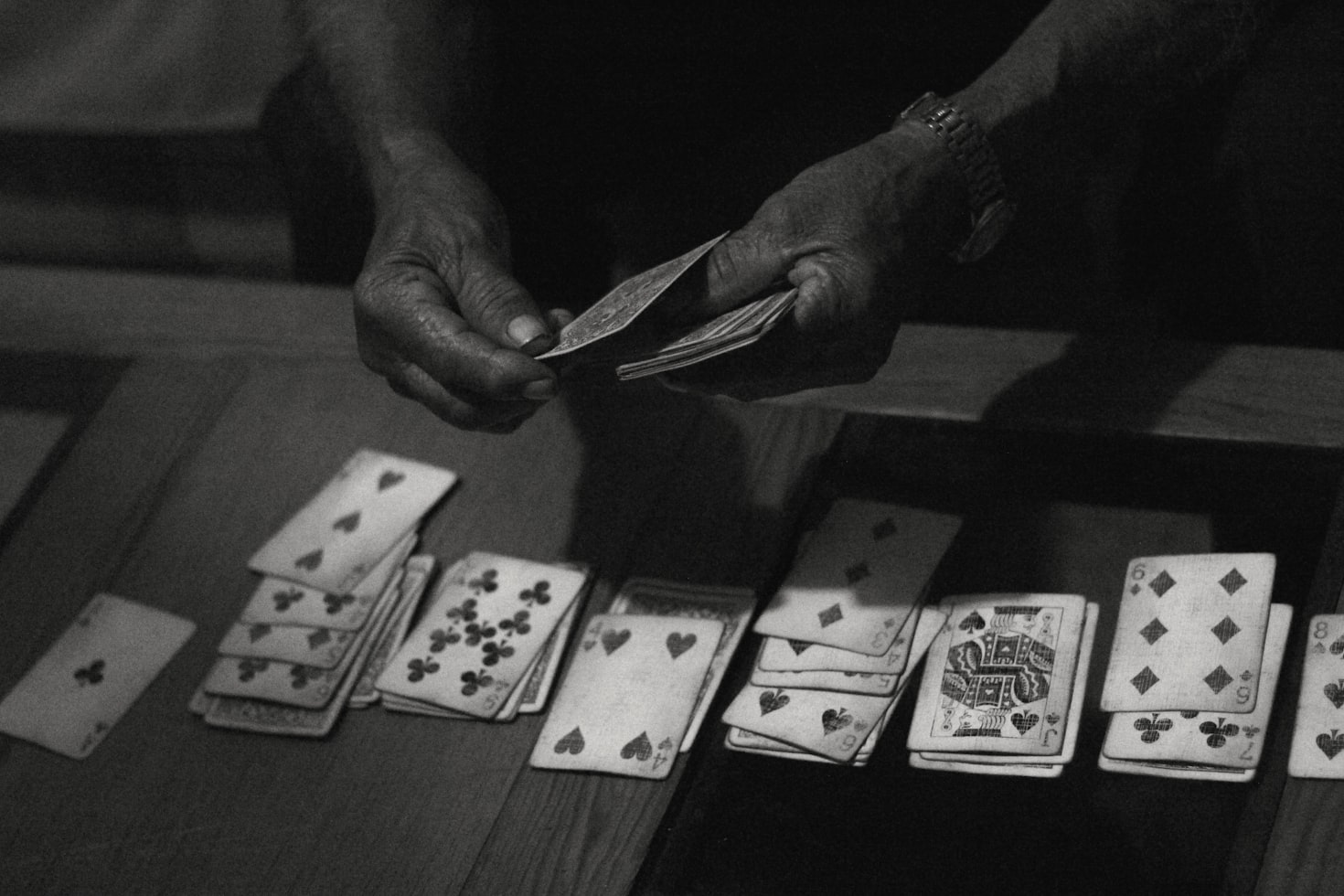
Your Destination for Gambling Insights
As gambling continues to evolve, understanding its rich history can enhance your appreciation for modern betting strategies and practices. Our website serves as a comprehensive resource for both new and seasoned gamblers, providing insights into historical trends, tips for responsible gambling, and analyses of current gaming strategies.
Whether you are interested in learning about ancient rituals or the latest innovations in online betting, we are dedicated to equipping you with the knowledge to navigate the exciting world of gambling. Join us on this journey through history and modernity, and enrich your gambling experience today.
