
Exploring cultural perspectives on gambling A global journey through traditions and beliefs
Understanding Gambling Through Cultural Lenses
Gambling, a practice that transcends geographical boundaries, is deeply woven into the fabric of various cultures around the world. Different societies perceive gambling in diverse ways, influenced by historical, religious, and social contexts. In many cultures, it is seen as a form of entertainment, a means of social bonding, or even a ritualistic practice, showcasing how traditions shape attitudes towards betting and games of chance. Many players find that exploring options like the pin up casino online allows them to engage with these diverse cultural perspectives.

For instance, in some Asian cultures, gambling is often linked to luck and destiny, with games like Mahjong playing pivotal roles in family gatherings and celebrations. Conversely, in many Western cultures, especially in recent decades, gambling has evolved into a prominent industry, merging entertainment with financial investment, thereby influencing public perceptions and policies surrounding the practice.
The Historical Context of Gambling
The history of gambling dates back to ancient civilizations, where it often served as a method of divination and decision-making. Historical records suggest that the ancient Romans and Greeks engaged in various forms of betting, from chariot races to dice games, embedding gambling into their social and recreational activities. These early practices laid the groundwork for the modern gaming landscape we see today.
As societies progressed, the legal and moral implications of gambling also evolved. In many regions, it faced periods of prohibition, often driven by religious beliefs or concerns over public morality. However, despite such challenges, gambling continually adapted, finding new expressions across cultures, such as lotteries, card games, and sports betting, illustrating its resilience and enduring popularity.
Cultural Beliefs and Superstitions Surrounding Gambling
Cultural beliefs and superstitions significantly influence how gambling is perceived and approached. In many cultures, certain numbers, colors, or symbols are considered lucky or unlucky, affecting players’ choices and strategies. For example, in Chinese culture, the number eight is deemed auspicious, leading many to favor it in games of chance.
Moreover, rituals and practices often accompany gambling activities, such as prayers or offerings to deities for good fortune. These elements highlight the intertwining of belief systems with gambling practices, showcasing how spirituality can shape the gambling experience in various cultures.
The Role of Gambling in Social Structures
In many societies, gambling plays a vital role in social interactions, serving as a communal activity that fosters connections among individuals. It often acts as a catalyst for socialization, whether through informal gatherings or organized events. For instance, local fairs and festivals often feature games of chance, bringing communities together in shared excitement and camaraderie.
However, the impact of gambling on social structures can be double-edged. While it may enhance social bonds, it can also lead to negative consequences, such as addiction and financial hardship. As such, the challenge lies in balancing the positive aspects of gambling as a social tool with the need for responsible gaming practices to mitigate its potential harms.
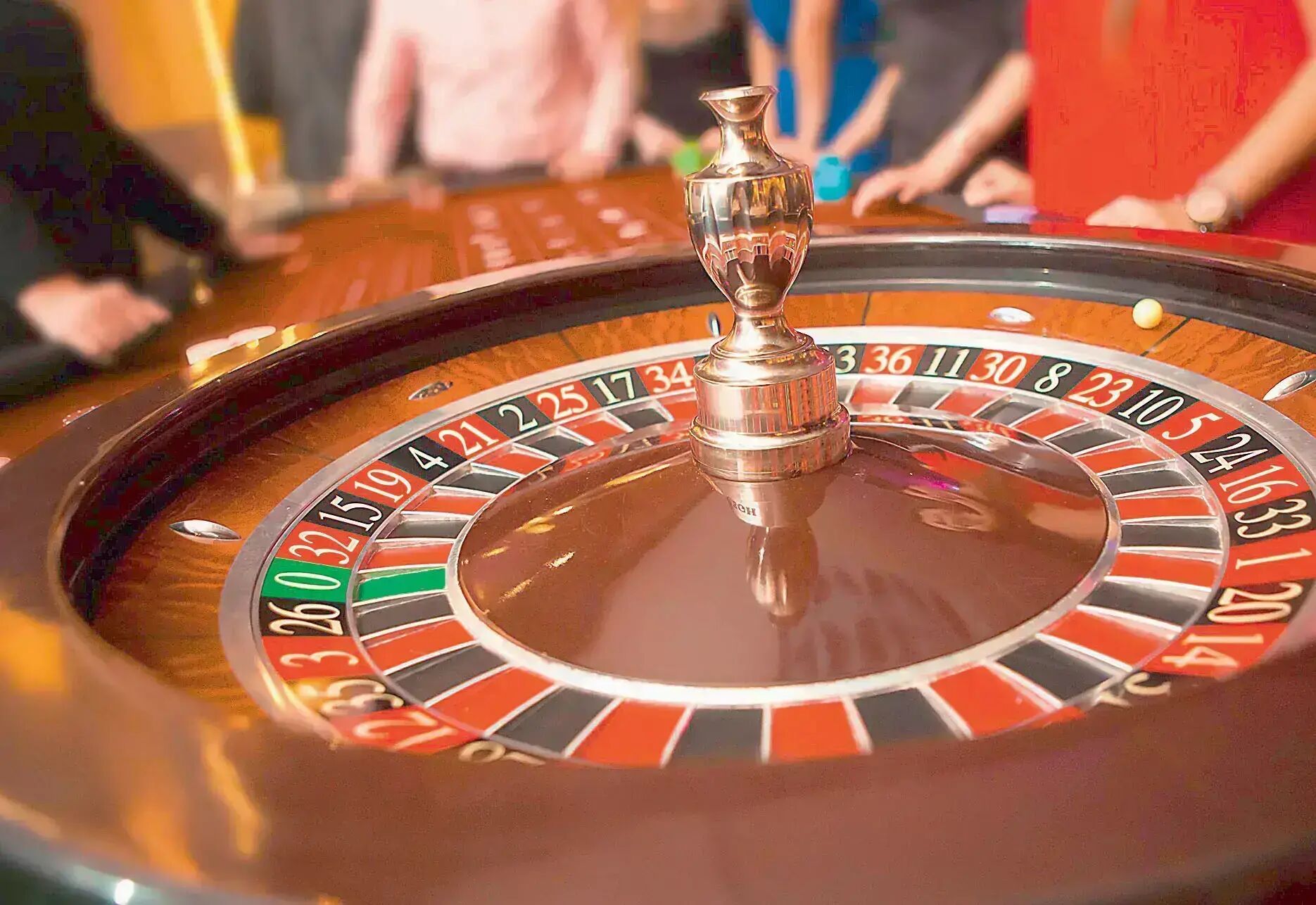
Pin Up Casino: A Cultural Hub for Online Gaming
Pin up casino exemplifies how online gaming platforms can bridge cultural perspectives on gambling. By offering a diverse range of games and betting options tailored to different cultural preferences, it caters to a global audience. This accessibility allows players from various backgrounds to engage with gambling in ways that resonate with their traditions and beliefs.
Moreover, Pin up casino emphasizes responsible gaming, providing tools and resources to ensure a safe and enjoyable experience. As online gambling continues to grow, platforms like Pin up casino play a crucial role in fostering a culture of fair play and inclusivity, reflecting the rich tapestry of global gambling traditions.
